
Boilers and Radiator Heat
Millions of homes heat with water, not air. Owning one well means finding pros who speak hydronic.
The other way American homes stay warm
Boiler and radiator searches form a persistent block in our demand data: smaller than furnace volume, but from owners with fewer good answers available, because hydronic heat is a specialty many HVAC companies only dabble in. If your heat arrives through radiators or baseboards, this page is your category.
The system is elegant: a boiler warms water, a circulator pushes it through radiators, baseboards or floor loops, and the water returns to be reheated. No ducts, no blowing air, no filters, and heat that arrives steadily instead of in gusts. Cast iron radiators from a century ago still work; the boilers behind them have improved enormously, with modern condensing boilers extracting far more heat from the same fuel than the old standing-pilot units they replace.
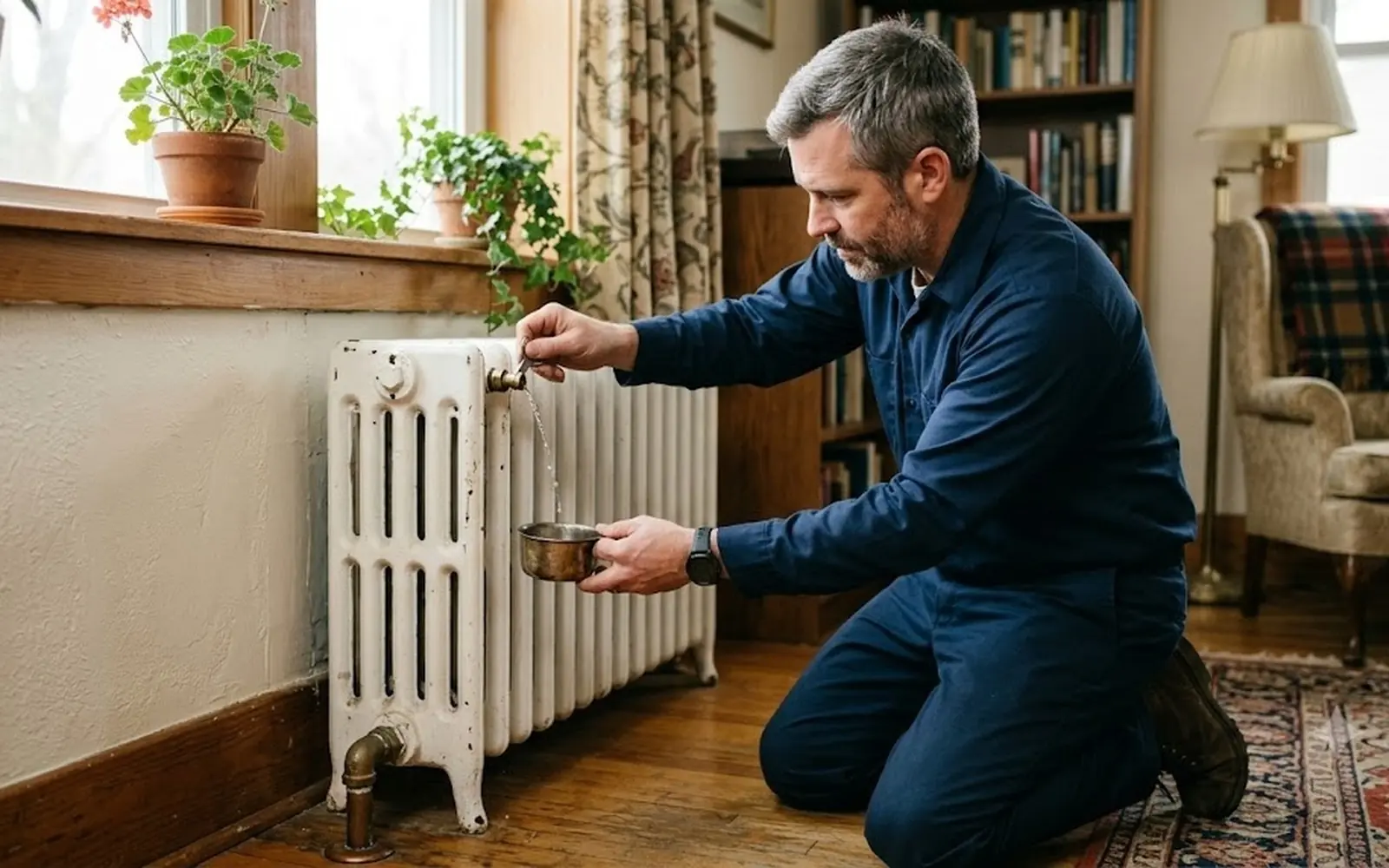
Ownership has its own rhythm: annual service, bleeding air from radiators that gurgle or heat unevenly, watching system pressure, and knowing the failure signature of circulator pumps and expansion tanks. The big event is boiler replacement, commonly expected somewhere past 15 to 30 years depending on type, and it is a sizing-and-design job, not a box swap.
Hydronic decisions worth weighing
From routine care to the replacement choices that set the next few decades of fuel bills.
Annual service and bleeding
Combustion check, pressure and expansion tank inspection, and purging air from loops. The cheap habit that prevents winter calls.
Circulators, zone valves and controls
The moving parts that fail first. Zoning upgrades during a repair visit buy room-by-room control cheaply.
Standard vs condensing boilers
Condensing units extract heat until exhaust runs cool, at meaningful fuel savings; they want lower return temperatures to shine.
Combi boilers
One wall-hung unit for heat and domestic hot water. Space-saving and popular in smaller homes; sizing for winter showers is the art.
Radiators, baseboards and panels
Old cast iron can stay; European-style panel radiators and towel warmers modernize rooms during remodels.
Fuel and conversions
Gas, oil and propane boilers all age out eventually; replacement time is when heat pump and fuel-switch math deserves a look.
What does it cost?
Commonly published ballparks put boiler replacement roughly in the $5,000 to $12,000 band installed, with condensing and combi systems toward the top and complex conversions, oil to gas, added zones, indirect water heaters, running beyond it. Routine repairs, circulators, zone valves, expansion tanks, commonly land in the hundreds.
Levers include boiler type, venting changes for condensing units, zone count and local specialist availability, which is thinner than furnace labor in much of the country and prices accordingly.
Ballparks based on commonly published national averages, stated as assumptions, not measured local pricing. Your competing quotes set the real number for your home and ZIP.
How to hire for boiler work
Who does the work
A plumbing or HVAC contractor who installs and services boilers weekly, not occasionally. In oil country, the fuel supplier's service arm often knows these systems best. Ask directly how much of their work is hydronic.
What pros will ask
Boiler age, fuel and model from the plate, what the radiators or baseboards are, symptoms in plain words (cold radiators upstairs, pressure creeping, short cycling), and photos of the boiler and near-boiler piping, which tell a pro half the story.
What to check before signing
That replacement bids include a heat-loss calculation rather than matching the old plate, itemize venting, controls and any indirect water heater, include commissioning and combustion testing, and state labor warranty terms. Near-boiler piping quality is where hydronic craft is visible; look at their photos.
Related searches homeowners make
Pulled from the same demand data behind our Plumbing, Heating and Air Conditioning category.
Boilers and Radiator Heat questions, answered straight
How long does a boiler last?
Commonly cited expectations run 15 to 30 years depending on type: wall-hung condensing units toward the shorter end, cast iron sectional boilers toward the longer. Annual service is the variable that moves individual units within that range.
Why are some radiators cold or gurgling?
Air in the loop is the usual cause: bleed radiators starting nearest the boiler until water runs solid. Cold radiators on one zone point to a zone valve or circulator; whole-system weakness points to pressure or the boiler itself.
Should I replace my old boiler with a condensing model?
In most cases the fuel savings argue yes, especially in cold climates. Condensing boilers perform best with lower return temperatures, so an honest installer will check whether your radiators and controls let the unit actually condense, not just quote the box.
Can I add air conditioning to a boiler-heated house?
Yes, and it is a common pairing: ductless mini splits cool room by room with no ducts, leaving the hydronic heat alone. High-velocity small-duct systems are the alternative where wall heads will not do.
Is steam heat the same as hot water heat?
No. Steam systems, common in older buildings, run at higher temperatures with their own venting, pitch and maintenance rules, and fewer techs service them well. If you have steam, ask specifically for steam experience; hot water habits applied to steam cause problems.
Get quotes for your boiler project
Free for homeowners. No obligation. Up to four local HVAC pros compete.
Keep planning your systems
More guides from the Plumbing, Heating and Air Conditioning hub.