
Laminate Flooring
One of the biggest single searches in flooring: the wood look at half the money, with rules worth knowing.
The value floor that photographs like hardwood
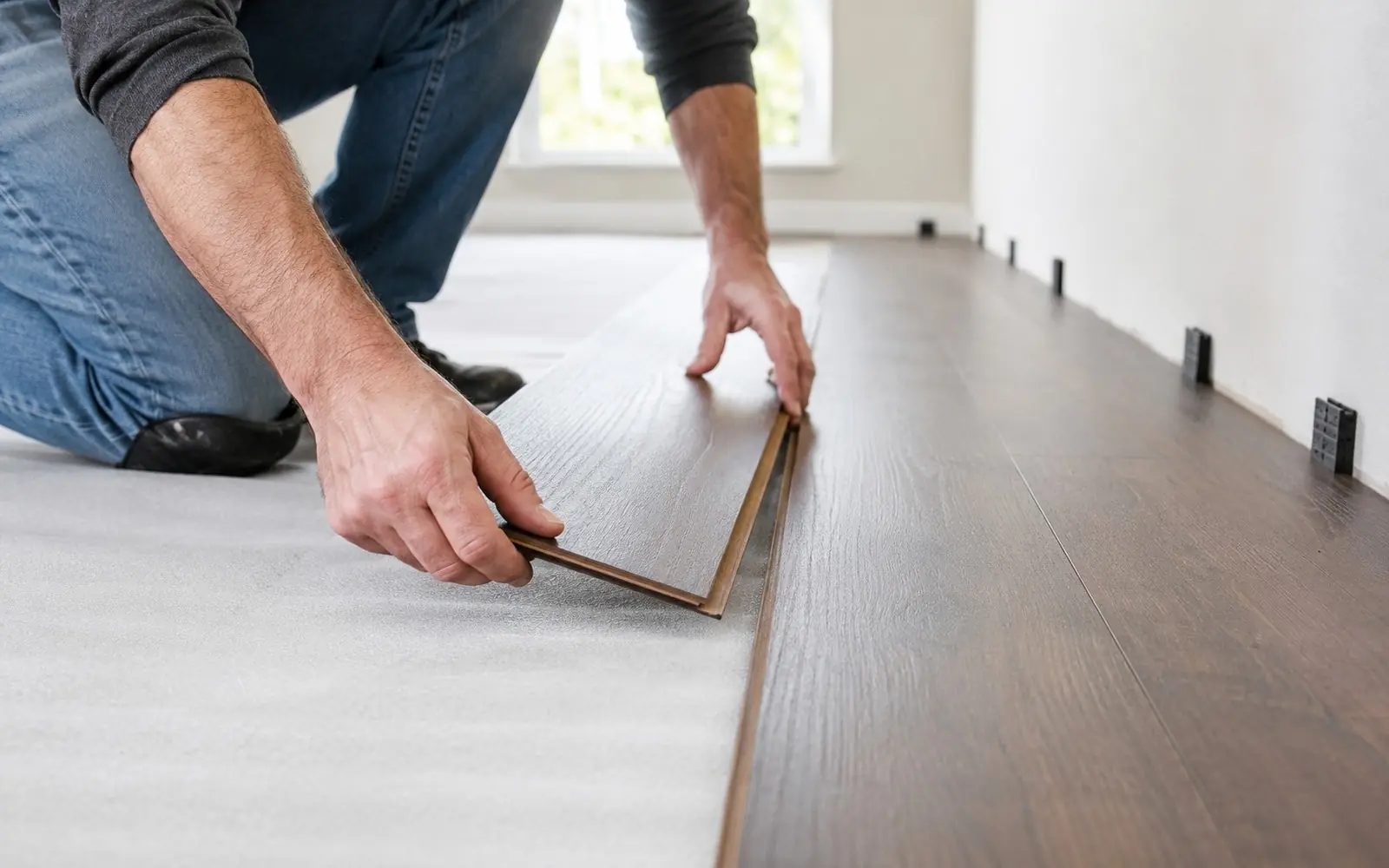
Laminate flooring is the largest named-material search in our flooring demand data, beating every hardwood and vinyl term individually. Its pitch has not changed in thirty years: a photographic wood (or stone) layer under a hard wear coating, on a fiberboard core, clicking together over a thin underlayment at a fraction of hardwood money.
Modern laminate earned back its reputation. Registered embossing textures match the grain in the image, bevels read as planks, and the wear layer, graded by AC rating, shrugs off chairs, claws and traffic that would scar real wood. AC3 suits homes; AC4 and up is the heavy-traffic and rental grade. What changed most recently is water talk: many current lines carry water-resistant claims that survive spills and mopping, which is different from waterproof, and the fiberboard core still swells when standing water finds an edge.
Laminate against luxury vinyl plank is today's real comparison. Laminate wins on hardness, scratch resistance, and a more convincing wood feel underfoot; vinyl wins outright on water and quiet. Bedrooms, living rooms and halls are laminate country; laundry rooms and full baths belong to vinyl or tile; kitchens are a judgment call that the household's spill discipline should make.
Laminate choices worth weighing
Grade and core first; the picture on top is the easy part.
AC wear ratings
AC3 for regular households, AC4+ for heavy traffic and pets. The rating is the durability spec; thickness alone is not.
Water-resistant lines
Sealed edges and tighter locks that tolerate spills and wet mopping. Respect the hours-not-days fine print at the edges.
Plank thickness and texture
Thicker planks span minor subfloor sins and sound solider; embossed-in-register texture is what fools the eye up close.
Underlayment and moisture barriers
Foam pads quiet the click-floor hollowness; slabs want a vapor barrier under everything. Cheap insurance both.
Click installation and floating floors
Laminate floats without glue or nails, which is why it installs fast and swaps out easily years later.
Where laminate fits
Living areas, bedrooms, halls and stairs with the right nosings. Wet rooms go to vinyl or tile without debate.
What does it cost?
Commonly published ballparks put installed laminate roughly in the $4 to $8 per square foot band, with material commonly $1 to $4 of that. Whole main floors frequently land in the low thousands, which is the value story against hardwood at twice the number.
Levers include grade and brand, subfloor flattening, old floor removal, and stairs, which are laminate's priciest detail. DIY installation is genuinely accessible here, which also disciplines local labor pricing.
Ballparks based on commonly published national averages, stated as assumptions, not measured local pricing. Your competing quotes set the real number for your home and ZIP.
How to hire for laminate flooring work
Who does the work
Flooring installers and handyman services both handle laminate competently; large or detail-heavy jobs (stairs, diagonal layouts, big transitions) favor dedicated flooring crews.
What pros will ask
Square footage by room, subfloor type and flatness, what comes out first, and the product line you want or a grade-and-budget brief. Mention pets, slabs and any moisture history; both change the spec.
What to check before signing
That the bid includes subfloor prep to the product's flatness spec, underlayment and vapor barrier where needed, expansion gaps at every wall, and matching transitions and stair nosings. Leftover boxes stay with you for repairs.
Related searches homeowners make
Pulled from the same demand data behind our Flooring, Carpet and Tile category.
Laminate Flooring questions, answered straight
Is laminate waterproof?
Water-resistant at best. Current sealed lines survive spills and damp mopping within their stated time windows, but standing water at edges still swells fiberboard cores. For laundry rooms, full baths and flood-prone basements, vinyl plank or tile is the honest answer.
Laminate or luxury vinyl plank?
Laminate feels harder and more wood-like underfoot and resists scratches better; vinyl is fully waterproof, quieter and softer. Living spaces split on preference; wet rooms decide themselves. Many homes sensibly run one in bedrooms and the other in kitchens and baths.
How long does laminate last?
Commonly cited service runs 10 to 25 years depending on AC grade, traffic and water discipline. It cannot be refinished, so deep damage means plank replacement, which is why keeping spare boxes from the original lot matters.
Can laminate go over my existing floor?
Floating laminate happily goes over flat, sound hard surfaces like vinyl, tile and wood, with the right underlayment. Carpet must come out, and height at doorways and appliances deserves a check before committing.
Is DIY laminate installation realistic?
Yes, more than any other floor: click systems, basic tools and patience get real results in simple rooms. Wavy subfloors, stairs and wide open areas with long sightlines are where pros earn their fee, because errors compound across a floor.
Get quotes for your laminate flooring project
Free for homeowners. No obligation. Up to four local flooring pros compete.
Keep planning your floors
More guides from the Flooring, Carpet and Tile hub.