
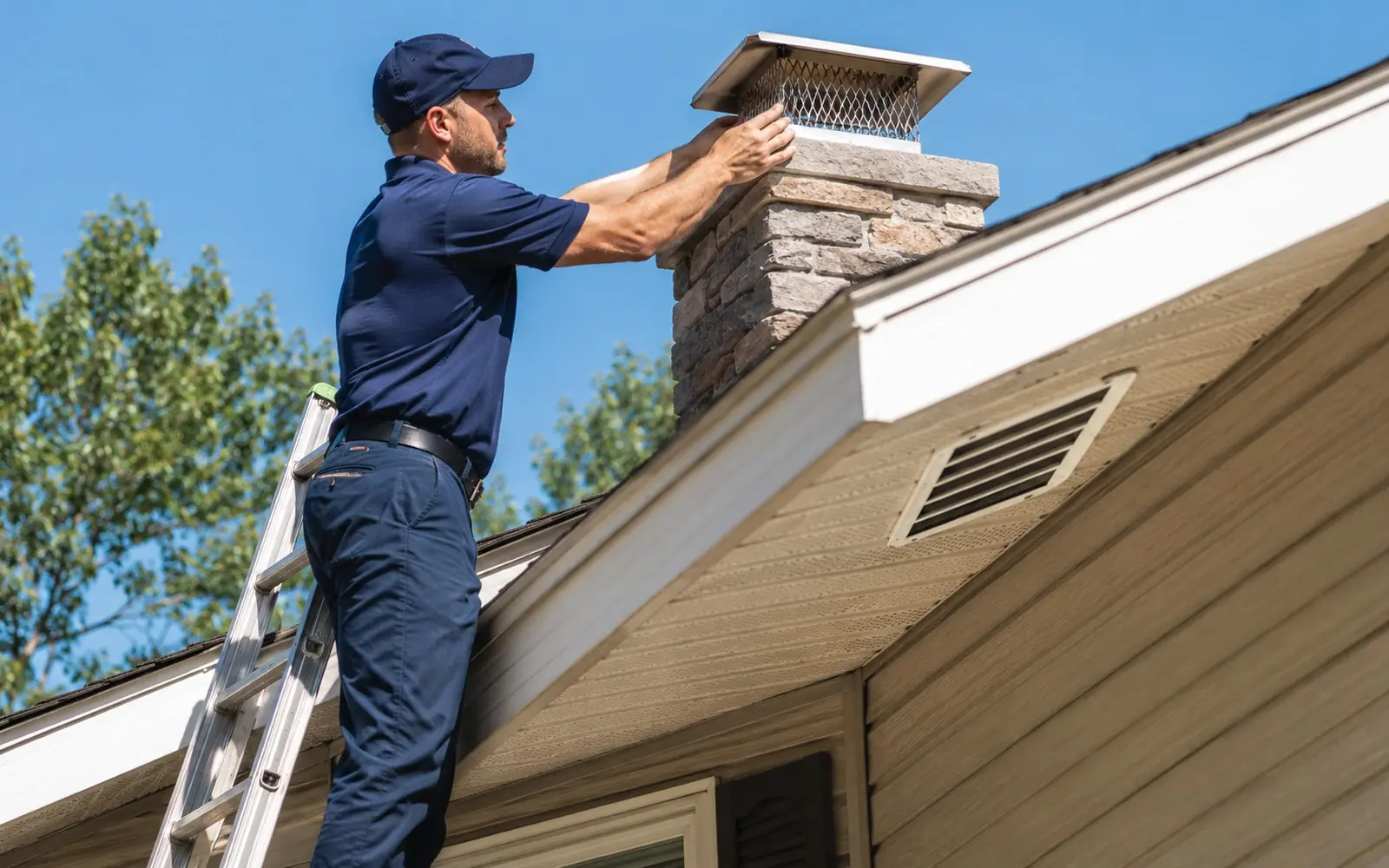
Wildlife, Bird and Bat Removal
Four thousand searches for bat and bird control alone. The branch of pest work with legal rules, baby seasons and one-way doors.
Where pest control meets wildlife law
Bat and bird control draws over four thousand tracked searches in our demand data, with squirrel and general wildlife removal adding steadily to it. This branch of the trade differs from insect work in kind, not just size: the animals are often legally protected, the methods are exclusion and eviction rather than elimination, and the timing is governed by baby seasons that make certain months off-limits for closing entry points.
The professional toolkit is architectural. One-way doors let animals exit and not return; entry points then get sealed in metal and mesh. Bats, which are protected in many jurisdictions and valuable insect predators, may only be excluded outside maternity season, when flightless pups would be trapped inside. Birds in vents, starlings and sparrows in bathroom and dryer ducts most commonly, get evicted and screened out. Squirrels chew entries at rooflines and, left alone, chew wiring; raccoons in chimneys and attics are usually mothers with kits, which competent operators locate and remove together.
Cleanup is half the job. Bat guano and bird droppings carry histoplasmosis risk in quantity, raccoon latrines carry roundworm, and nesting material blocks vents and invites insects. Serious wildlife companies quote removal, sanitation and restoration of insulation and vent screens as one scope, with warranties on the exclusion work.
The common wildlife calls
Eviction and exclusion, timed to biology and law.
Bat colonies
Evening emergence counts, one-way exclusion outside maternity season, and sealing at rooflines. Protected animals with strict method rules.
Birds in vents
Starlings and sparrows in dryer, bath and kitchen ducts: eviction, nest removal and screened covers that end the annual return.
Squirrels in attics
Roofline chewers evicted through one-way doors, entries sealed in metal. Chewed wiring checks are part of a competent visit.
Raccoons in attics and chimneys
Usually a mother with kits; operators remove the family together, then seal and cap. Chimney caps prevent the sequel.
Pigeon control
Spikes, netting and ledge treatments for roosting pressure on roofs, solar panels and balconies. Persistence work, quoted by structure.
Cleanup and restoration
Guano and latrine remediation, contaminated insulation replaced, vents screened and caps installed. The health half of the scope.
What does it cost?
Commonly published ballparks: single-animal evictions with sealing around $300 to $800, squirrel and raccoon family jobs $400 to $1,500 with restoration, full-structure bat exclusions commonly $500 to $3,000 depending on roof complexity, and attic cleanup scoped separately when contamination is heavy. Chimney caps and vent screens are inexpensive add-ons that prevent repeats.
Timing moves prices less than roof access does; steep, tall and tile roofs are the expensive variable in most wildlife quotes.
Ballparks based on commonly published national averages, stated as assumptions, not measured local pricing. Your competing quotes set the real number for your home and ZIP.
How to hire for wildlife removal work
Who does the work
Licensed wildlife control operators, a distinct credential from insect pest licenses in many states, handle protected species legally and humanely. Roof and chimney repairs bring in roofers and masons; heavy contamination brings cleanup crews.
What pros will ask
What you hear and when, dusk emergence you have observed, photos of entry points and droppings, and how long it has gone on. Note pets, children and anyone immune-compromised, since that shapes cleanup priority.
What to check before signing
That the operator states the species, the legal method and season constraints, and uses exclusion rather than illegal trapping or poisons on protected animals. That sealing and restoration carry a re-entry warranty. And that cleanup practice for guano and latrines follows health guidance, not a shop vacuum.
Related searches homeowners make
Pulled from the same demand data behind our Pest Control category.
Wildlife, Bird and Bat Removal questions, answered straight
Is it legal to remove bats from my attic?
Yes, by exclusion and outside maternity season, which in most regions blocks summer months when flightless pups are present. Bats are protected in many jurisdictions and are extraordinary insect predators, so the lawful method is one-way doors and sealing, never killing or fumigating. Licensed operators know the local calendar.
There are scratching noises in my attic. What is it?
Timing is the clue: squirrels are daytime and dawn, raccoons and mice are nocturnal, bats are silent except for chittering near dusk, and birds announce themselves in the morning near vents. An inspection with entry-point mapping settles it faster than guessing from the couch.
Why can I not just trap the raccoon myself?
Beyond legality, which varies and often prohibits relocation, the practical trap: attic raccoons are usually mothers with kits stashed in the insulation. Remove her alone and the kits die in your ceiling. Operators locate and remove the family together, then seal and cap. It is worth the fee.
Are the droppings in my attic actually hazardous?
In quantity, treat them seriously: bat guano and bird droppings can carry histoplasmosis spores and raccoon latrines can carry roundworm eggs. Do not dry-sweep any of it. Professional cleanup with protective equipment and proper disposal is the standard recommendation for accumulations.
How do I keep wildlife from coming back?
Exclusion hardware and habitat honesty: metal-sealed rooflines, screened vents, chimney caps, trimmed branches off the roof, secured garbage and no pet food outside. Most wildlife companies warranty their sealing, which makes the hardware, not repeat removals, the thing you are really buying.
Get quotes for your wildlife removal project
Free for homeowners. No obligation. Up to four local pest control pros compete.
Keep planning your pest control project
More guides from the Pest Control hub.
Pest Control Cost and Service Plans
Plans vs visits, honest pricing and the DIY handoff line.
Read the guideTermite Control and Inspection
Species, treatments, bonds and inspection habits.
Read the guideRoach Control and Extermination
German roach reality: baits, follow-ups and no foggers.
Read the guide