
Roach Control and Extermination
Ten thousand roach searches, most of them typed at midnight. What professional treatment involves and why the spray can made it worse.
Ten thousand searches, one dominant culprit
Roaches draw around ten thousand tracked searches in our demand data, with kill roaches and how to get rid of roaches adding nearly four thousand more, the phrasing of people who have already lost a round or two. The distinction that matters immediately is species. Large American and Oriental roaches wander in from outside and are a perimeter problem. Small German roaches breed indoors in kitchens and baths, and they are the infestation the word roaches usually means.
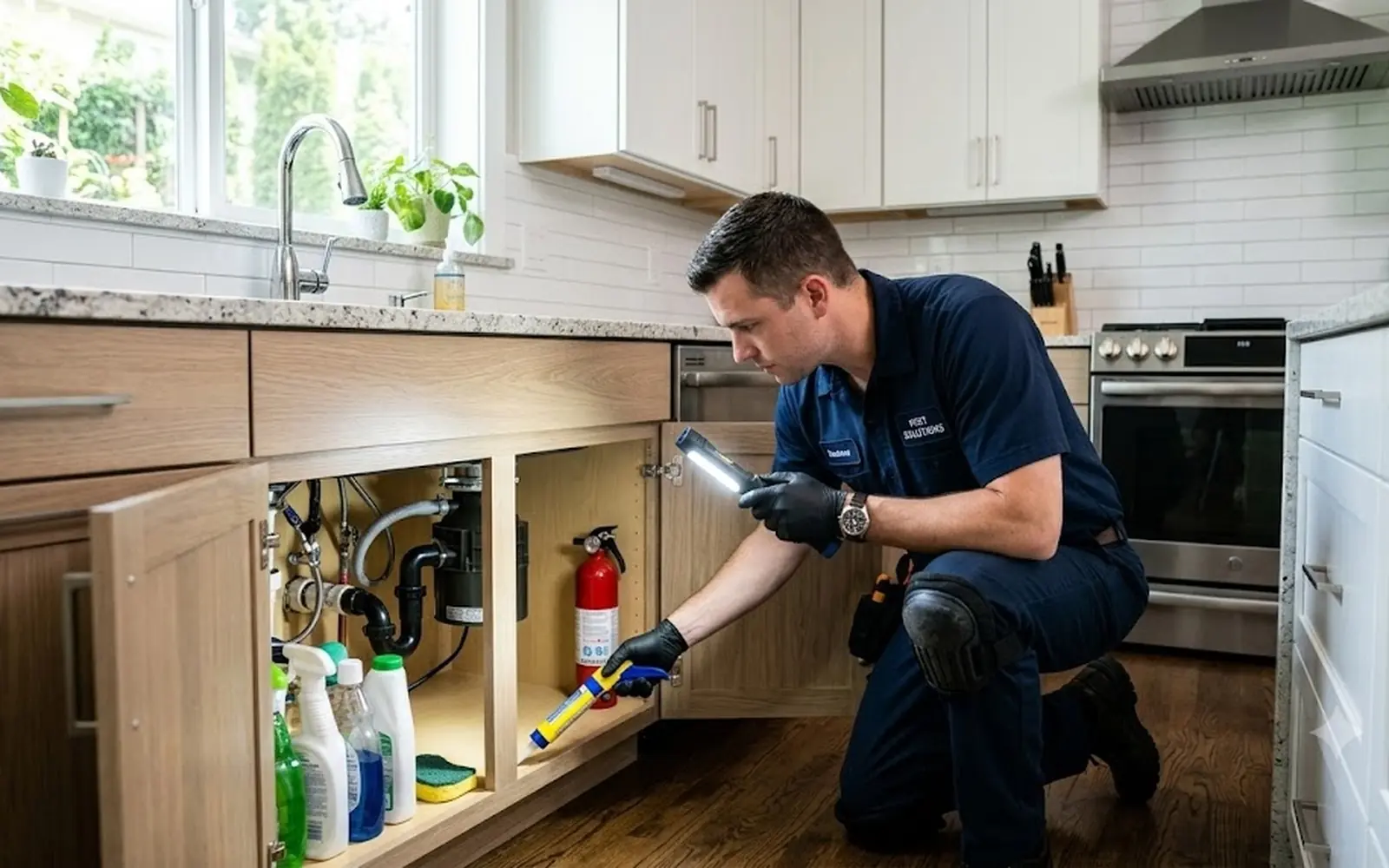
German roaches are the professional's problem for one reason: reproduction speed. Each egg case carries dozens of nymphs, generations overlap, and populations rebound from survivors within weeks. Modern professional control leans on gel baits placed in cracks, hinges and voids where roaches actually live, insect growth regulators that break the breeding cycle, and vacuum removal of concentrations, followed by scheduled follow-ups that catch the hatch from surviving egg cases.
The counterintuitive truth from the field: over-the-counter foggers and repellent sprays frequently make German roach work harder, scattering populations into new voids and contaminating bait placements. Sanitation, moisture and clutter control are the other half of every successful treatment, which is why good companies talk about your kitchen habits as much as their chemicals.
What professional roach work involves
Species first, then baits, regulators and follow-through.
Species identification
German, American, Oriental or brown-banded: each implies a different source and plan. Photos or samples make the first visit smarter.
Gel baiting programs
Placements in the cracks and voids where roaches live, taken back to harborages. The backbone of modern German roach control.
Insect growth regulators
Compounds that stop nymphs maturing, collapsing the breeding curve that makes roaches feel unbeatable.
Crack, void and perimeter work
Dusts and treatments in wall voids and entry points; exterior perimeter defense for the big wandering species.
Follow-up visits
Egg cases survive first treatments by design of biology. Scheduled follow-ups two to three weeks out are part of the job, not an upsell.
Sanitation and exclusion
Grease, crumbs, cardboard and moisture are roach infrastructure. Fixing them is treatment, and pros will say so plainly.
What does it cost?
Commonly published ballparks: initial roach treatments around $150 to $400 including inspection and first service, follow-up visits at reduced rates, and heavy German roach programs in multi-unit or long-established situations commonly running $400 to $1,000 across several visits. Quarterly general pest plans often include roach maintenance after knockdown.
Beware one-visit guarantees against German roaches; biology does not work that way, and companies that know the species build follow-ups into the price.
Ballparks based on commonly published national averages, stated as assumptions, not measured local pricing. Your competing quotes set the real number for your home and ZIP.
How to hire for roach control work
Who does the work
Licensed pest control operators handle roach work; in apartments and condos, coordinate with the landlord or association, because treating one unit of a connected building is a temporary victory. Verify applicator licensing, which is required nearly everywhere.
What pros will ask
Where you see roaches and when, day sightings meaning larger populations, photos or a sample if possible, kitchen and moisture conditions, and any DIY products already applied, since sprays and foggers change what a tech can place where.
What to check before signing
That the plan names species, products and placement strategy, includes follow-up visits with dates, and states the guarantee window. In multi-unit buildings, ask how adjacent units are addressed. And expect sanitation homework; a company that skips it is planning your next infestation.
Related searches homeowners make
Pulled from the same demand data behind our Pest Control category.
Roach Control and Extermination questions, answered straight
Why do I still see roaches after treatment?
Expected, briefly: baits and growth regulators work through the population over days and weeks, and egg cases hatch after the first visit. Activity should fall steadily and sharply. That is also why legitimate roach work includes scheduled follow-ups rather than a single spray.
Do foggers and bug bombs work on roaches?
Against German roaches they are commonly counterproductive: the mist rarely reaches the cracks where roaches live, scatters populations deeper into walls and adjacent rooms, and contaminates the surfaces where gel baits would work. Field consensus is blunt on this one: skip them.
Does seeing roaches mean my home is dirty?
No; German roaches arrive in boxes, bags and used appliances and infest spotless homes. Sanitation determines how fast they grow, not whether they arrive. That said, grease, crumbs, moisture and cardboard clutter are what turn a hitchhiker into an infestation.
Are roach treatments safe for kids and pets?
Modern professional practice favors targeted gel baits and dusts placed inside cracks, voids and stations rather than broadcast spraying, which keeps exposure to people and pets minimal. Tell the company about children, pets, aquariums and anyone with respiratory sensitivity so placements are planned accordingly.
Roaches in an apartment: whose job is it?
Habitability rules in most places put structural pest control on the landlord, and effective German roach work in connected buildings has to address adjacent units anyway. Report it in writing, cooperate with prep instructions, and push for building-level treatment rather than a single-unit spray.
Get quotes for your roach control project
Free for homeowners. No obligation. Up to four local pest control pros compete.
Keep planning your pest control project
More guides from the Pest Control hub.