
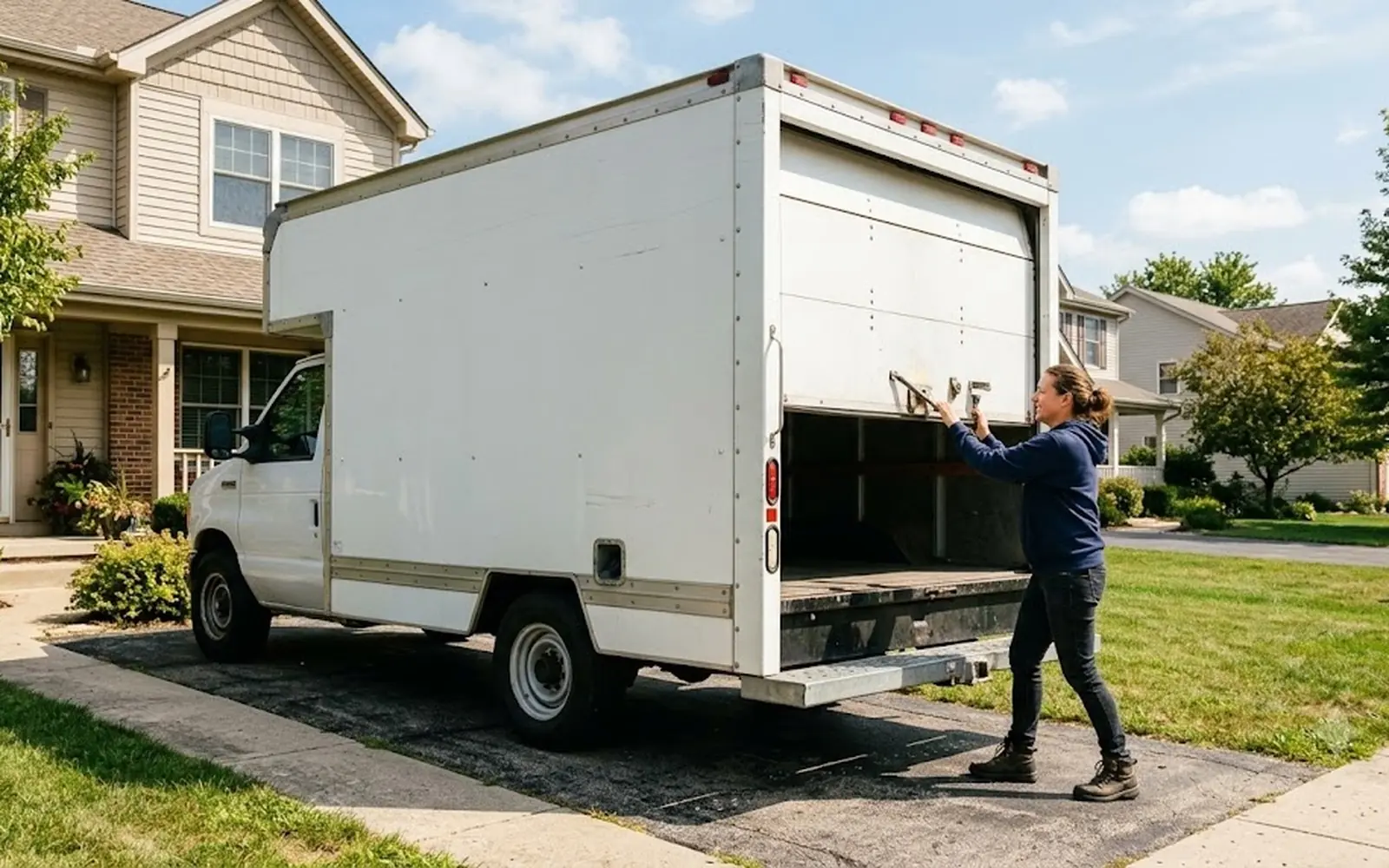
Moving Truck Rental
The advertised day rate is the smallest number on the final bill. Here is the honest math on moving yourself.
Cheap to rent, expensive to underestimate
Truck rental is the workhorse of DIY moving, and demand data puts it among the top moving searches. The appeal is obvious: rent the truck, keep the savings. The reality is that the day rate is bait; the real bill adds mileage, fuel at truck appetites, insurance, equipment and, for one-way moves, a drop-off pricing model that swings wildly with season and direction.
Size choice makes or breaks the day. Renting small forces multiple trips or a heartbreaking triage at the curb; renting huge wastes money and nerve on the road. The working rule of thumb: a 10 to 12 foot truck for a studio, 15 to 17 feet for one or two bedrooms, 20 to 22 feet for two or three, and 26 feet for a three-plus bedroom house.
Also honest: a big truck is genuinely demanding to drive. No mirrors in the middle, wide turns, long braking, height clearances. If the route involves a dense city, mountain passes or a thousand miles, price the hybrid option, a container or freight plus hourly labor, before assuming the truck wins.
Your rental decisions, in order
Six choices that decide what the truck really costs.
Truck size
Match cubic feet to your home honestly using the rental company's guide, then round up one size if you are between. A second trip erases the savings on local moves and is impossible on one-way ones.
One-way vs round trip
Round trip bills day plus mileage. One-way rentals price dynamically by route and season, and popular directions can be startlingly expensive or nearly free.
Insurance and damage waivers
Personal auto policies often exclude rental trucks. Price the damage waiver, check your credit card terms, and decide before the counter upsell decides for you.
Fuel budgeting
Big box trucks commonly return well under ten miles per gallon loaded. On a long move, fuel can rival the rental itself; estimate it before comparing against movers.
Equipment and extras
Appliance dolly, furniture pads and straps are cheap insurance against damage. Reserve them with the truck; day-of availability is not guaranteed.
Towing your car
Tow dollies and auto transports bolt a trailer onto an already long vehicle. Fine on highway miles, stressful in cities; compare against separate auto shipping.
What does a rental truck really cost?
A local move is the day rate plus per-mile charges, fuel and the waiver, which is why in-town totals often triple the advertised number and are still a bargain. One-way interstate rentals swing with distance, direction and season, with fuel and lodging riding on top.
Compare the true all-in total against a container quote and a labor-plus-rental hybrid. DIY wins most clearly on small loads and short distances; the gap narrows as bedrooms and miles pile on.
Ballparks based on commonly published national averages, stated as assumptions, not measured local pricing. Your competing quotes set the real number for your move and ZIP.
How to run a truck rental move
Reserve early and confirm
Trucks sell out at month-end and summer weekends. Book the size you need early, and call to confirm the actual truck the day before.
Load like a pro
Heaviest items against the cab wall, weight balanced side to side, tiers strapped as you go, mattresses shielding furniture faces. A tight load survives; a loose one grinds itself to splinters.
Hire the heavy hour
Two hours of hourly loading labor at each end is cheap compared to a back injury or a dropped dresser. Labor-only crews plus your truck is the best kept secret in moving.
Related searches homeowners make
Pulled from the same demand data behind our Moving and Storage category.
Moving Truck Rental questions, answered straight
What size moving truck do I need?
Rough guide: 10 to 12 feet for a studio, 15 to 17 for one to two bedrooms, 20 to 22 for two to three, 26 for larger houses. When in doubt go one size up; running out of truck is the worse failure.
Do I need a special license to drive one?
No, standard consumer rental trucks drive on a regular license. That is a statement about legality, not ease; give yourself following distance, plan fuel stops, and check every bridge height sign like it is personal.
Does my car insurance cover a rental truck?
Frequently not, since many personal policies exclude trucks over a certain weight. Call your insurer or read the exclusions, and price the rental company's damage waiver into the comparison from the start.
Is renting a truck always cheaper than hiring movers?
For small local moves, almost always. For large or long moves, add fuel, lodging, waivers, equipment and your own days off work, and the gap can shrink to less than the pain is worth. Run the whole number, then decide.
Should I get a truck with a ramp or a liftgate?
Ramps are standard on consumer moving trucks and fine for most loads. A liftgate earns its rental for genuinely heavy single items, and a hired labor crew often solves the same problem better.
Want loading help with that truck?
Free for homeowners. No obligation. Up to four local pros compete.
Keep planning your move
More guides from the Moving and Storage hub.
Hiring Movers
Full service vs labor only, binding quotes and the vetting that matters.
Read the guidePortable Containers
Pods and containers: how they price and when they beat both truck and mover.
Read the guidePacking and Supplies
Boxes, tape math and pro packing services, without overbuying.
Read the guide