
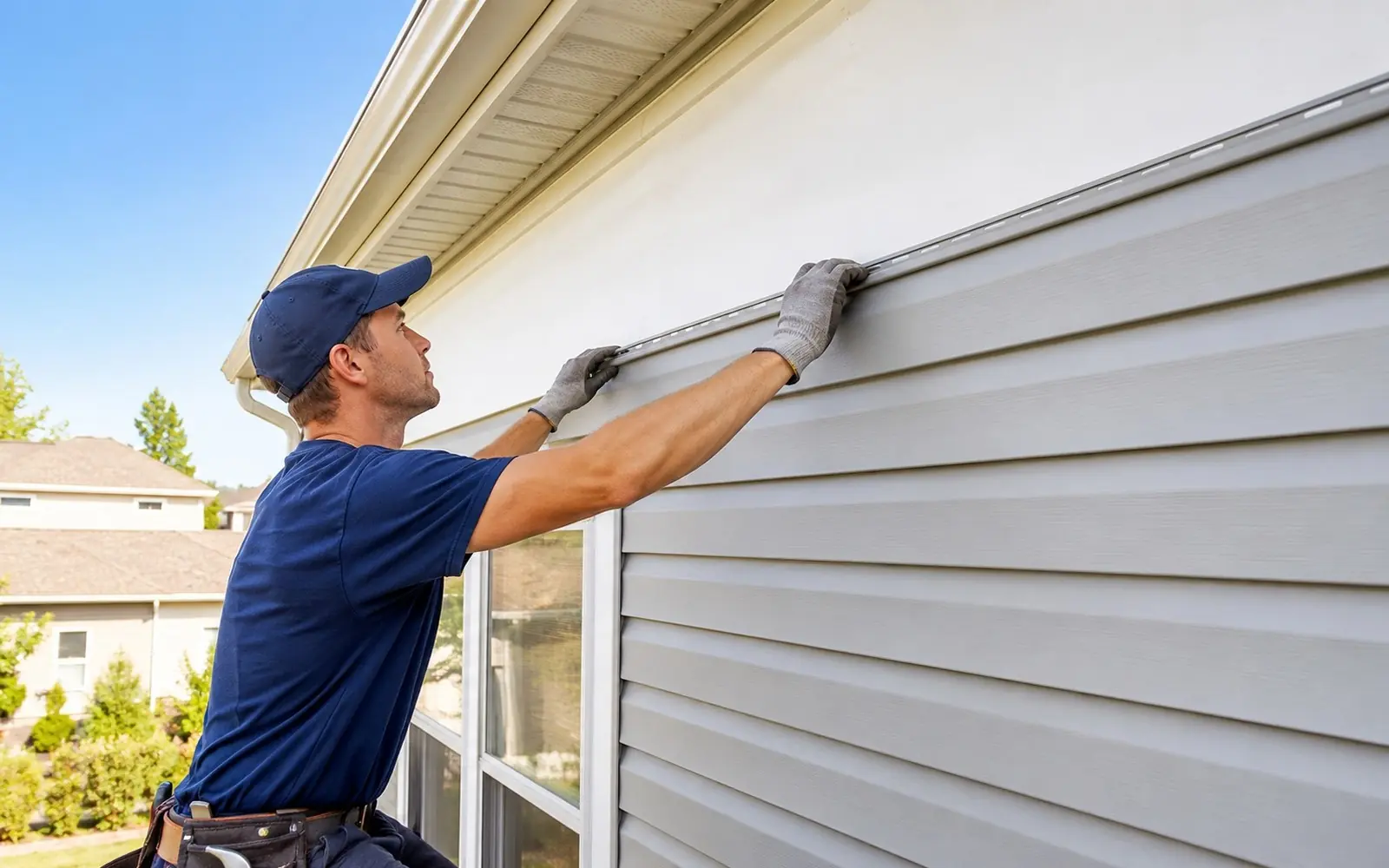
Vinyl Siding
The most searched siding in our demand data, and still the value king of exterior cladding.
Why vinyl keeps winning the siding search
Vinyl siding and its installation are the top siding searches in our demand data by a wide margin, and the market agrees: vinyl clads more American homes than any other material. The pitch is simple: the lowest installed cost of any full-house cladding, no painting, and modern versions that look considerably better than the vinyl of the nineties.
Quality hides in thickness and installation. Panel grades run from economy builder product up to premium panels noticeably stiffer and straighter on the wall. Insulated vinyl adds a foam backer that stiffens panels and adds some insulation value. But the bigger quality lever is the crew: vinyl expands and contracts with temperature, so it must be nailed loose, lapped correctly and flashed properly, or it buckles and leaks.
Vinyl's honest weaknesses: it can crack in extreme cold impacts, melt near grills and reflected window glare, and it will never read as wood from up close the way fiber cement or real wood does. For most budgets and most streets, the tradeoff still lands firmly in vinyl's favor.
Siding choices worth weighing
Vinyl decisions first, then the main alternatives bids will offer you.
Panel grade and thickness
Thicker premium panels hang straighter, resist impact and fade slower. The upgrade costs less than most owners expect.
Insulated vinyl
Foam-backed panels add rigidity and modest R-value, and quiet the hollow feel. A popular middle step up from standard.
Profiles and textures
Dutch lap, clapboard, board and batten, shakes and vertical looks. Mixing profiles on gables is the cheap way to add character.
Trim, soffit and flashing package
Corners, J-channel, soffit and fascia make or break the finished look, and house wrap plus flashing underneath does the waterproofing.
Fiber cement alternative
Costs more installed and needs paint eventually, but reads as wood and resists fire and impact. The main step-up bid you will see.
Repair vs full reside
Matching faded vinyl is hard, so small repairs look patchy. Widespread cracking, buckling or moisture behind panels points to full replacement.
What does it cost?
Commonly published ballparks put installed vinyl siding roughly in the $3 to $8 per square foot band, which lands many single-family homes between about $10,000 and $25,000 depending on size, stories, trim complexity and tear-off of old cladding. Insulated panels and premium grades sit at the top of the band.
Levers include removal of existing siding versus siding over it where allowed, the amount of trim and accent work, and regional labor. Rot repair discovered under old siding is the classic change order; ask how it is priced up front.
Ballparks based on commonly published national averages, stated as assumptions, not measured local pricing. Your competing quotes set the real number for your home and ZIP.
How to hire for vinyl siding work
Who does the work
A siding contractor or exterior remodeler whose crews hang vinyl weekly. Certifications from major manufacturers exist and are worth asking about; correct nailing and locking technique is the entire game with vinyl.
What pros will ask
Home footprint and stories, current cladding and condition, whether old siding comes off, trim and accent wishes, and photos of any soft or stained areas. Expect a measured quote in squares, the trade's 100 square foot unit.
What to check before signing
That the bid includes house wrap and flashing spec, states panel brand, line and thickness, prices rot repair per board foot, and carries both manufacturer and workmanship warranties in writing. Loose nailing for expansion should be something they explain without being asked.
Related searches homeowners make
Pulled from the same demand data behind our Roofing, Siding and Gutters category.
Vinyl Siding questions, answered straight
How long does vinyl siding last?
Commonly cited service expectations run 20 to 40 years depending on panel grade, sun exposure and installation quality. Fading and brittleness with age are the usual end-of-life signs rather than outright failure.
Can new vinyl go over old siding?
Sometimes, over flat, sound wood siding with furring and code approval. Most quality installers prefer tear-off so the sheathing can be inspected, wrapped and flashed properly. Over old vinyl is generally a no.
Does vinyl siding add insulation?
Standard panels add almost none. Insulated vinyl adds a modest R-value and stiffens the wall. If energy is the goal, exterior foam sheathing under new siding does far more than the siding choice itself.
Why is my vinyl siding wavy?
Usually nailed too tight or in hot-sun panel lines. Vinyl must hang loosely on its nails to move with temperature. Waviness across many walls is an installation defect worth a warranty conversation.
Vinyl or fiber cement?
Vinyl wins on installed price and zero painting. Fiber cement wins on looks up close, fire resistance and impact, at a higher install cost and eventual repainting. Neighborhood norms and your ownership horizon usually decide it.
Get quotes for your siding project
Free for homeowners. No obligation. Up to four local siding pros compete.
Keep planning your exterior
More guides from the Roofing, Siding and Gutters hub.