
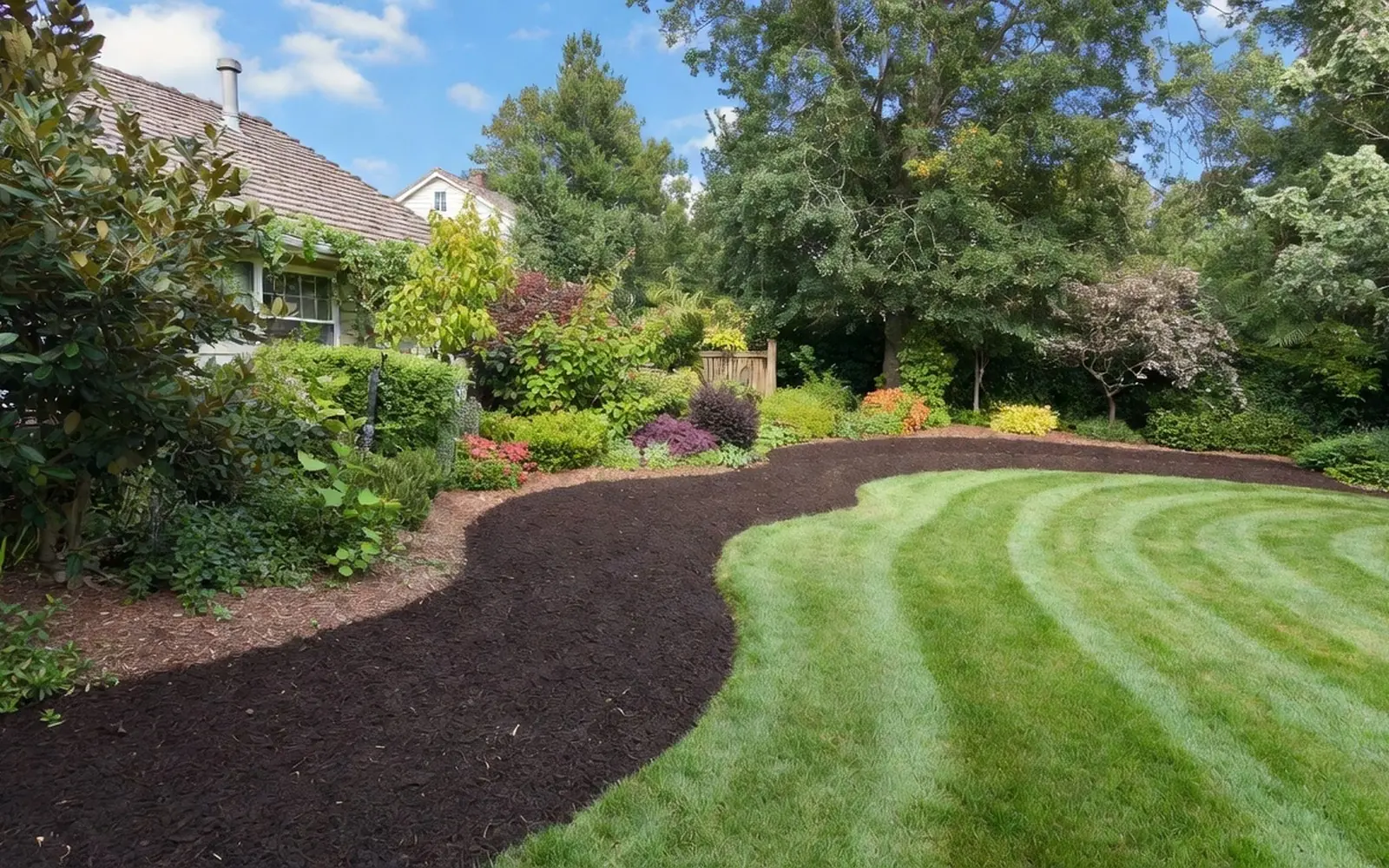
Landscaping Ideas and Project Planning
Nine thousand searches for ideas. This guide turns inspiration into a scope a contractor can actually price.
From saved photos to a biddable project
Landscaping ideas draw around nine thousand tracked searches in our demand data, and they represent the honest starting point of every project: a folder of photos, a vague sense of better, and no idea what any of it costs. The gap between inspiration and a quote is scope, and closing it is a learnable skill.
Start with an audit, not a wish list. Walk the yard and write down what fails: the mud path, the bare hell strip, the patio that fits two chairs, the view of the neighbor's boat. Projects scoped around problems get used daily; projects scoped around magazine photos get admired briefly. Then rank by visibility and use: the front entry sequence and the main outdoor sitting area repay investment first, which is also what the curb appeal literature consistently says about resale.
Then phase deliberately. Infrastructure first while machines can reach: grading, drainage, irrigation, hardscape. Trees second, because only time grows them. Beds, lawn and lighting last. A commonly cited guideline suggests landscaping investment around ten percent of home value over time, which is less a rule than a permission slip to think in phases across years rather than one heroic spring.
Idea themes that scope well
Each of these converts cleanly into a contractor brief.
Curb appeal front yards
Entry walk, foundation beds, tree placement and lighting: the highest-visibility phase and the classic resale investment.
Outdoor rooms
A properly sized patio, shade, privacy planting and lighting. Scope it around how many people you actually host.
Low-maintenance conversions
Shrinking lawn, mulched beds, drip irrigation and tough plant palettes for owners done with weekends of upkeep.
Privacy planting
Screening trees and layered hedges instead of taller fences. Slower than lumber, kinder to look at, often cheaper.
Drought-wise and native yards
Regionally adapted palettes that cut water and care. Rebates exist in many water districts; ask before designing.
Family and pet yards
Durable turf zones, fetch runs, shade and sightlines from the kitchen window. Honest scoping beats delicate showpieces here.
What does it cost?
Budget anchors, stated as commonly cited guidelines rather than measured pricing: total landscape investment around ten percent of home value spread over years, with meaningful single phases, a front yard refresh or a patio-and-planting backyard phase, commonly landing between $5,000 and $25,000 depending on hardscape share.
Hardscape dominates budgets and planting stretches them: a phase heavy on patios and walls prices very differently from one heavy on plants, which is a lever you control at scoping time.
Ballparks based on commonly published national averages, stated as assumptions, not measured local pricing. Your competing quotes set the real number for your home and ZIP.
How to hire for landscaping project work
Who does the work
Landscape designers turn idea folders into plans; design-build landscape companies carry the plan through construction; specialty crews, irrigation, hardscape, lighting, plug into phases. For idea-stage owners, a paid design consultation is the cheapest first hire there is.
What pros will ask
Your problem list and photo folder, budget band per phase, maintenance honesty, and how long you expect to own the home. Contractors scope wildly better against use cases and problems than against adjectives like modern or lush.
What to check before signing
That the plan or proposal phases cleanly, with infrastructure before finishes. That each phase has its own price and stands alone if life interrupts. And that plant choices come with maintenance expectations attached, because the prettiest plan you cannot maintain is the most expensive one.
Related searches homeowners make
Pulled from the same demand data behind our Landscaping category.
Landscaping Ideas and Project Planning questions, answered straight
How much should I budget for landscaping?
A commonly cited guideline suggests around ten percent of home value invested over time, phased rather than all at once. More practically: price your first phase around the problem that bothers you most daily, and let its results calibrate the rest. Competing quotes on a defined scope beat every rule of thumb.
What landscaping adds the most home value?
Industry and agent surveys consistently point to front entry and curb appeal work, healthy trees, and a usable outdoor sitting area, all maintained. Buyers pay for tidy and usable; they rarely pay extra for elaborate features they will have to maintain.
Where do I even start with a bare or ugly yard?
Audit problems, then sequence: drainage and grading first, irrigation and hardscape second, trees third, beds and lawn last. Starting with plants because they are the fun part is the classic mistake; machines needed for phase one do not respect phase four's flower beds.
Should I DIY or hire out my landscaping ideas?
Split it honestly: planting beds, mulching and container gardens reward DIY; grading, hardscape, irrigation and anything electrical reward professionals. A common hybrid is paying for design plus infrastructure and planting the beds yourself over a season.
How do I brief a landscaper with just photos?
Attach a sentence to every photo naming the thing you like: the stone color, the bed shape, the shade sail. Add your problem list, budget band and maintenance appetite. That one-page brief converts directly into a scoped consultation instead of a wandering site visit.
Get quotes for your landscaping project
Free for homeowners. No obligation. Up to four local landscaping pros compete.
Keep planning your landscaping project
More guides from the Landscaping hub.