
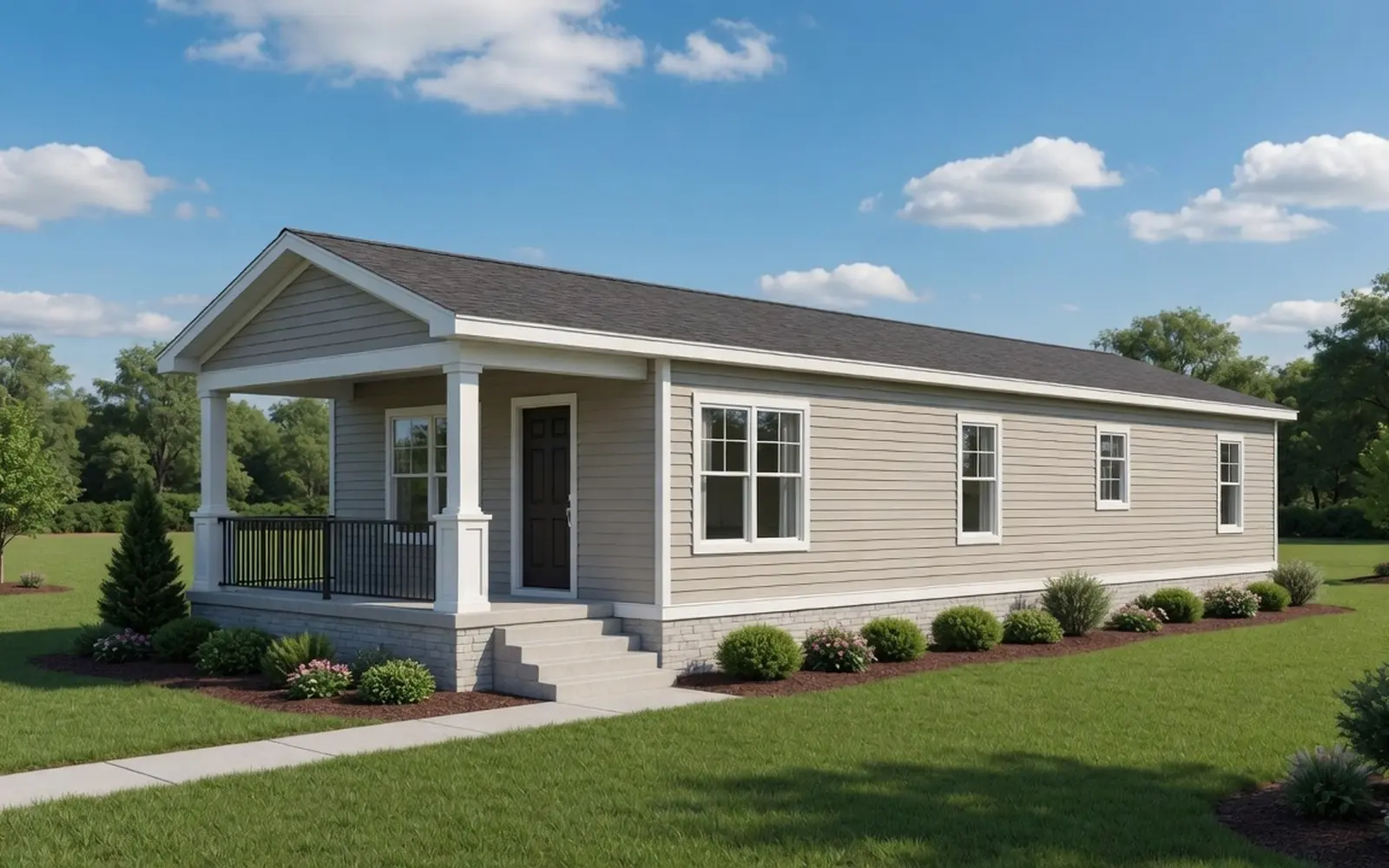
Mobile Home Insurance
Manufactured homes are insured on their own policy forms with their own rules. Here is what actually changes.
Same idea, different policy form
Mobile home insurance is a steady, sizable search in our home insurance demand data, and the interest is practical: manufactured and mobile homes are typically written on their own policy forms rather than standard homeowners forms. The structure of coverage looks familiar, dwelling, contents, liability, loss of use, but the definitions, valuation methods and underwriting questions differ.
Valuation is the big one. Older manufactured homes are frequently offered actual-cash-value coverage, which pays depreciated value at claim time, while replacement-cost coverage, where available, costs more and pays what rebuilding or replacing actually costs. On an older unit the difference between those two numbers can be most of the home.
Underwriting cares about things site-built policies never ask: tie-downs and anchoring, skirting, the age of the unit, whether it sits on owned land or a rented park lot, and wind zone ratings in storm states. Park residents also need to know what the park's insurance does not cover, which is essentially everything inside your home. Educational content, not insurance advice; a licensed agent who writes manufactured homes is the right desk for specifics.
What manufactured home policies weigh
The factors that move eligibility and price on these policies.
Unit age and condition
Older units face fewer carrier choices and more ACV-only offers. Documented updates to roof, plumbing and electrical widen the market.
Anchoring and tie-downs
Proper anchoring is a wind-loss issue and an underwriting checkbox in most storm-prone states. Certification can earn discounts and coverage access.
Owned land vs park lot
On owned land the policy resembles homeowners coverage more closely. In parks, coordinate your policy with lease requirements and remember the park insures nothing of yours.
Wind and storm exposure
Manufactured housing carries distinct wind vulnerability, so coastal and hail states bring percentage deductibles and stricter rules. Ask early.
Replacement cost availability
Not every carrier offers it, especially on older units. When it is offered, price it; the ACV gap at claim time is where these policies disappoint people.
Trip and transit coverage
Moving the home itself is excluded from standing policies and needs specific transit coverage arranged with the mover and insurer.
What does it cost?
Premiums commonly land below site-built homeowners policies in absolute dollars, reflecting lower rebuild values, though rates per dollar of coverage run higher because of wind vulnerability. Location, unit age, anchoring and the ACV-versus-replacement choice drive most of the spread.
The comparison that matters is not premium versus premium but claim versus claim: ask each carrier to show what a total loss would actually pay on your unit under their valuation method.
Typical ballparks based on commonly published figures, stated as assumptions, not quotes. Educational content, not financial or insurance advice; policies differ, so confirm specifics with a licensed insurance agent in your state.
How to shop manufactured home coverage
Gather the unit facts
Year, make, size, serial number, anchoring details, roof age and land arrangement. Quotes for manufactured homes are only as good as these inputs.
Quote specialists too
Alongside big carriers, include insurers and agencies that specialize in manufactured housing; appetite varies enormously and specialists often want the risks others decline.
Decide valuation deliberately
Get every quote both ways where possible, ACV and replacement cost, and choose knowing the claim-day difference. On older units this is the entire decision.
Related searches homeowners make
Pulled from the same demand data behind our Home Insurance category.
Mobile Home Insurance questions, answered straight
Is mobile home insurance required?
Not by law, but lenders require it on financed homes and most parks require liability coverage in the lease. Practically, an uninsured manufactured home concentrates a lot of net worth in one wind event.
Why do older mobile homes cost more to insure?
Age correlates with older wiring, plumbing and roofing, and with construction standards that predate modern codes, especially units built before the 1976 federal standard. Fewer carriers compete for them, which also keeps prices firmer.
Does the park's insurance cover my home?
No. Park policies cover the park's property and liability, not your unit or belongings. Your lease may require you to carry your own liability coverage precisely for this reason.
What is the difference between ACV and replacement cost here?
ACV pays the depreciated value of your home, which on an older unit can be far below what replacing it costs. Replacement cost coverage, where offered, pays toward an equivalent new unit. It is the single most consequential checkbox on these policies.
Are additions like porches and carports covered?
Usually only if declared. Attached structures, sheds and improvements should be listed with values when you buy the policy, or they may be settled poorly after a storm.
Get manufactured home quotes in your ZIP
Free for homeowners. No obligation. Up to four local pros compete.
Keep learning about home insurance
More guides from the Home Insurance hub.
Comparing Quotes
How to collect quotes that actually compare, and the traps in cheap ones.
Read the guideInsurance Rates
What drives your premium and the levers that genuinely lower it.
Read the guideWhat Policies Cover
Dwelling, contents, liability and the gaps that surprise people.
Read the guide