
Home Insurance Claims
The policy is a promise; the claim is the collection. Here is the process, and how documentation decides the outcome.
Claims reward the documented and punish the vague
A home insurance claim is a negotiation that pretends to be paperwork. The insurer owes what the policy says for covered damage, no more and no less, and the size of the check tracks the quality of your evidence: photos, dates, inventories and independent repair estimates. Homeowners who document well and respond fast routinely have smoother claims than the policy differences alone would predict.
The sequence is stable across insurers. Make the property safe and prevent further damage, which the policy requires; photograph everything before touching anything; report the claim promptly; meet the adjuster with your own evidence and, ideally, your own contractor's estimate; then review the settlement offer against the policy language rather than against relief.
Two structural things to know. First, payouts often arrive in stages, an initial actual-cash-value payment with the depreciation released after repairs complete. Second, you are not obligated to accept the first number; supplements for damage discovered during repair are normal, not confrontational. Educational content, not insurance advice; your policy and state rules govern the details.
The claim process, stage by stage
What happens, in order, and what each stage needs from you.
Emergency mitigation
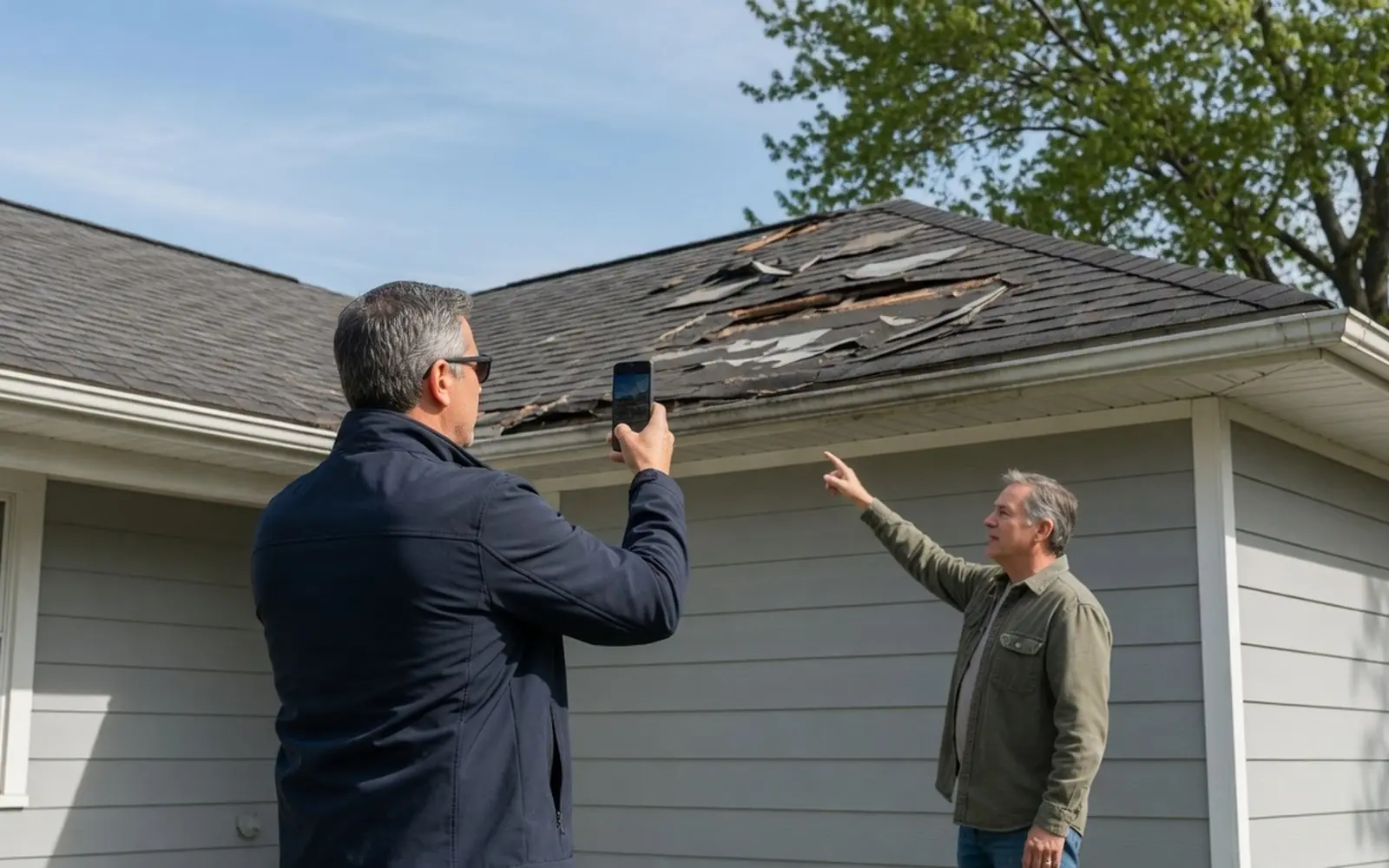
Stop the water, tarp the roof, board the window. Policies require reasonable steps to prevent further damage, and the receipts for that work are reimbursable.
Documentation before cleanup
Wide shots, close-ups, video walkthroughs, serial numbers, and the date. Nothing gets discarded until the adjuster or the insurer says so in writing.
Filing and first contact
Report promptly with the basics. Note the claim number, the adjuster's name and every conversation in a simple log; the log wins arguments months later.
The adjuster visit
Walk them through everything with your evidence in hand. An independent contractor estimate gives you a second professional number standing next to theirs.
Settlement and depreciation
Read the offer against your policy limits and replacement-cost terms. Staged payments are normal; ask exactly what triggers the depreciation release.
Supplements and disputes
Hidden damage found mid-repair supports a supplement. For real gaps, escalate through the insurer, your state insurance department, appraisal clauses or a public adjuster.
What a claim costs you
Every claim pays out minus your deductible, which is why losses barely above the deductible are often better handled out of pocket: small claims still enter industry databases and can raise premiums for years. Save the claim system for losses that genuinely hurt.
Percentage-based wind and hail deductibles deserve special attention, since two percent of dwelling coverage is a much bigger number than the flat deductible people remember agreeing to.
Typical ballparks based on commonly published figures, stated as assumptions, not quotes. Educational content, not financial or insurance advice; policies differ, so confirm specifics with a licensed insurance agent in your state.
How to run a claim well
Document first, always
Before cleanup, before repairs, before the dumpster: photos, video and a written timeline. Over-documenting has never hurt a claim; the reverse fills complaint files.
Get an independent estimate
A licensed local contractor pricing the same repair gives you leverage and a reality check on the adjuster's scope. Competing bids help here exactly as they do everywhere else.
Keep a claim log
Names, dates, promises and amounts from every contact, in one place. If the claim ever escalates to the state regulator or appraisal, that log is your case file.
Related searches homeowners make
Pulled from the same demand data behind our Home Insurance category.
Home Insurance Claims questions, answered straight
How long do I have to file a claim?
Policies require prompt notice, and state deadlines add outer limits that vary. Practically, report significant damage within days; late reporting invites disputes about when and how the damage happened.
Should I file a claim for minor damage?
Run the math first: payout minus deductible, against the multi-year premium impact of a claim on your record. Many homeowners set a personal floor well above the deductible and handle anything under it directly.
Can I choose my own contractor for repairs?
Generally yes. Insurers may suggest preferred vendors, and those can be fine, but the repair contract is yours to award. An independent estimate also keeps the insurer's scope honest.
What if the settlement offer seems too low?
Ask for the itemized scope, submit your contractor's estimate line by line, and negotiate; supplements are routine. If it stalls, the policy's appraisal clause, your state insurance department and licensed public adjusters are the escalation ladder.
What is a public adjuster?
A licensed professional who manages and negotiates your claim for a percentage of the payout, commonly around ten percent. Most useful on large, complex losses where scope disputes are worth real money.
Need repair estimates for a claim?
Free for homeowners. No obligation. Up to four local pros compete.
Keep learning about home insurance
More guides from the Home Insurance hub.
What Policies Cover
Dwelling, contents, liability and the gaps that surprise people.
Read the guideInsurance Rates
What drives your premium and the levers that genuinely lower it.
Read the guideComparing Quotes
How to collect quotes that actually compare, and the traps in cheap ones.
Read the guide