
Specialty Inspections
The standard inspection has borders. These add-ons cover the expensive territory beyond them.
Where the standard inspection stops
A standard home inspection is visual and non-invasive, which draws hard borders around it: nothing inside walls, underground, in the air or requiring lab work. The specialty inspection menu exists for exactly that territory, and mold worries in particular show up by name in our home inspection demand data.
The menu is priced a la carte and should be ordered that way, by the house rather than by fear. Radon depends on your region's geology and costs little to test. Sewer scopes earn their fee on any older home with mature trees. Termite letters are standard practice, and sometimes lender-required, across much of the country. Mold testing makes sense when moisture history or symptoms suggest it, not as a reflex.
The economics are lopsided in your favor. Each test costs a restaurant dinner or two, and each guards against a repair measured in thousands: a sewer line replacement, a hidden remediation, a re-leveled foundation. Order the two or three your specific house justifies and skip the rest with a clear conscience.
The specialty menu
What each add-on does and which houses justify it.
Radon testing
A multi-day measurement of the invisible gas that accumulates in basements and slabs by region. Cheap to test, very fixable with mitigation systems when elevated.
Termite and pest letters
A licensed pest inspection for termites and wood-destroying organisms, required by some lenders and standard practice in warm, wooded regions.
Sewer scope
A camera down the main drain line looking for roots, bellies and collapsed pipe. The highest-value add-on on older homes; line replacement is brutally expensive.
Mold and moisture assessment
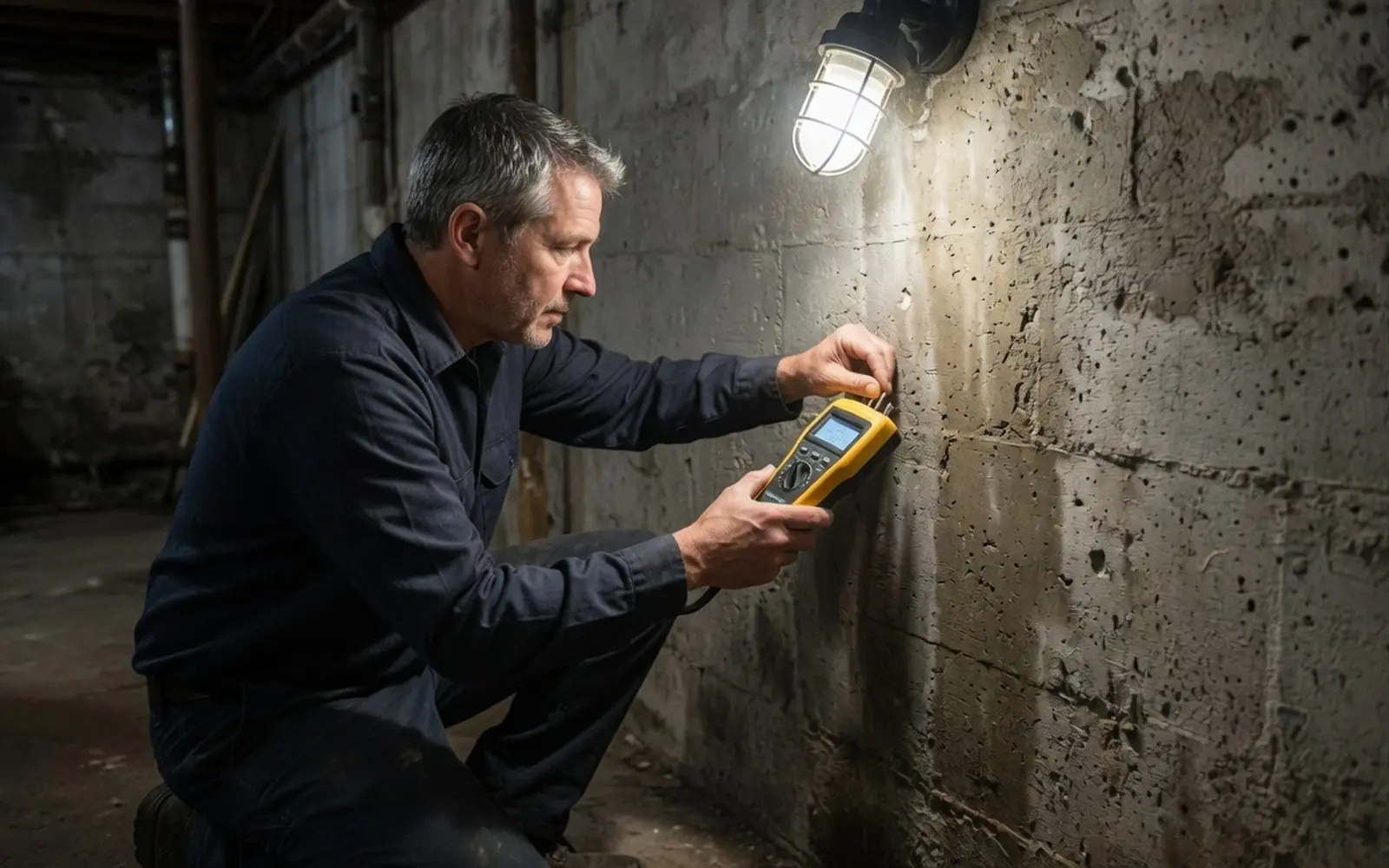
Targeted investigation with moisture meters and air or surface sampling when stains, smells or leak history warrant. Buy investigation, not just sampling.
Chimney and fireplace review
A camera up the flue for cracks, creosote and liner condition on any home where fires actually get lit. Failed liners are a hidden four-figure item.
Pool, septic and well tests
Each is its own trade: equipment and leak checks for pools, load and tank checks for septic, flow and water quality for wells. Non-optional when the house has one.
What do add-ons cost?
Most specialty tests price between one and a few hundred dollars each, with discounts common when bundled with the standard inspection. Septic and well testing run higher, and lab-based mold work scales with sample count.
The selection logic is insurance math: the sewer scope on a 1955 house with an oak in the front yard is not optional spending, it is the cheapest look at the most expensive pipe you own.
Ballparks based on commonly published national averages, stated as assumptions, not measured local pricing. Your competing quotes set the real number for your home and ZIP.
How to pick your add-ons
Profile the house
Age, region, trees, basement, fireplace, septic or sewer, pool. Five minutes of profiling produces your shortlist almost automatically.
Ask the generalist first
Your standard inspector sees the house before add-ons run and will tell you which specialists this property genuinely needs. Good ones subtract tests, not just add them.
Use licensed specialists per domain
Pest, sewer, chimney and septic each have their own licensing and equipment. The right specialist per system beats one operator claiming all of them.
Related searches homeowners make
Pulled from the same demand data behind our Home Inspection category.
Specialty Inspections questions, answered straight
Which specialty inspections do most buyers need?
By frequency: termite letters where lenders or regions expect them, radon in known radon geology, and sewer scopes on older homes. The rest follow the house's specific features, which is exactly how it should work.
Is a mold test worth it without visible mold?
Usually only when there is moisture history, musty odor or symptoms in residents. Moisture investigation finds the cause; sampling alone finds numbers that still need interpreting. Buy the investigation first.
What does a sewer scope actually find?
Root intrusion, pipe bellies holding water, offset joints and collapsing clay or cast iron lines. Any of those, discovered before closing, is negotiation gold; discovered after, it is your excavation bill.
Are radon levels really fixable?
Yes, mitigation systems with fans and venting reliably bring elevated levels down, at a cost that is modest compared to almost any other major-system repair. Test cheap, fix once, retest.
Can my regular inspector do all of these?
Some hold multiple licenses; many partner with specialists and bundle scheduling. What matters is the license and equipment per domain, not whether one invoice or three shows up.
Book the inspections your house needs
Free for homeowners. No obligation. Up to four local pros compete.
Keep planning your inspection
More guides from the Home Inspection hub.
Inspection Cost
Typical pricing, what moves it and why the cheapest quote is a bad filter.
Read the guideNew Construction
Why brand-new homes still need inspecting, and the three visits that matter.
Read the guideHiring an Inspector
Credentials, sample reports and the questions that separate pros from drive-bys.
Read the guide